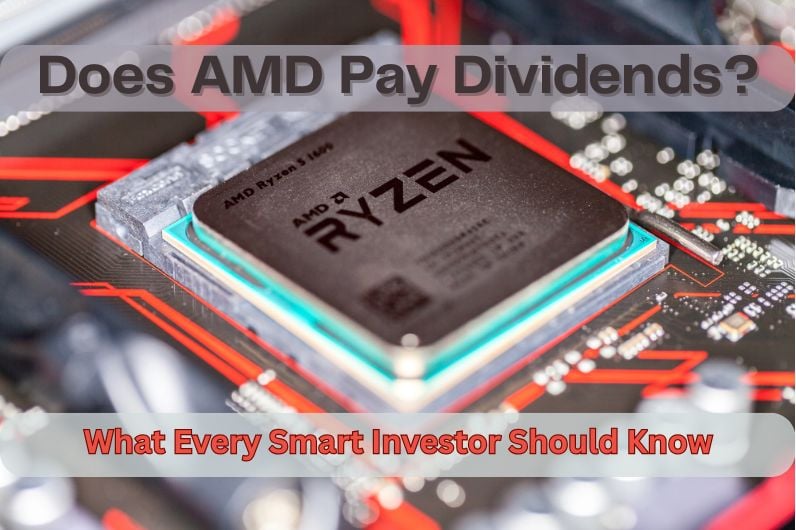
Advanced Micro Devices, or AMD, is a global semiconductor leader known for developing high-performance computing and graphics solutions. With products powering everything from gaming systems to cloud computing and AI, AMD is a favorite among tech-savvy investors and market watchers.
But beyond the exciting technology and growth potential, many investors have a specific question: Does AMD stock pay dividends? Let’s dive into the details and explore how dividend investors should approach AMD in their portfolio.
Affiliate
Stock Rover is an award winning investment research platform.
- The site has 8,500+ stocks, 4,000 ETFs, and 40,000 mutual funds.
- Access to 650+ metrics, financial data, market news, stock and fund ratings, fair value, margin of safety, etc.
- Includes brokerage integration, portfolio tracking, rebalancing, watchlists, alerts, future income forecasts, etc.
Click here to try Stock Rover for free (14-day free trial).
So, Does AMD Pay Dividends?
The short answer: No, AMD does not currently pay dividends on its common stock.
As of July 2025, AMD has never paid a regular dividend to shareholders. This is a strategic decision that aligns with the company’s focus on reinvesting its profits into research, development, and expansion—especially in a highly competitive and capital-intensive sector like semiconductors.
Why Doesn’t AMD Pay Dividends?
There are several key reasons why AMD has opted not to distribute dividends:
- Reinvestment into Growth: AMD is in a constant race against giants like Intel and Nvidia. Reinvesting its earnings helps fuel innovation and maintain competitiveness in areas such as AI chips, data centers, and gaming processors.
- Debt Management and Capital Allocation: In recent years, AMD has prioritized strengthening its balance sheet and reducing debt. Keeping cash within the company allows it to maintain financial flexibility for strategic acquisitions and operational needs.
- Stock Performance Focus: Rather than dividends, AMD rewards shareholders through capital appreciation. In fact, its share price has seen significant growth over the last decade, appealing to long-term growth investors rather than income-focused ones.
How Does This Impact Dividend-Focused Investors
For income investors who rely on dividends for passive income, AMD’s dividend-free policy may be a downside. If your investment strategy includes regular cash returns, AMD might not align with your objectives—at least for now.
However, this doesn’t mean AMD can’t be a part of a broader, diversified portfolio. Many growth stocks that don’t offer dividends still deliver impressive total returns through capital gains. This is to say, if your goal is long-term growth, capital gains might be a good fit for you, and AMD is an option.
What’s the Next Best Move for Investors?
If you’ve been considering AMD but feel discouraged by the lack of dividends, don’t worry—you’re not the only one. But you also have other options. Let’s look at ways investors can either diversify their holdings or still benefit from AMD’s growth indirectly.
1. Consider Dividend-Paying Tech Alternatives
Not every tech company skips dividends. Some established firms in the technology sector do return profits to shareholders. Here are a few dividend-paying tech stocks to consider:
- Microsoft (MSFT) – A tech giant that offers steady dividends and consistent earnings growth.
- Apple (AAPL) – Combines innovation with shareholder returns through dividends and stock buybacks.
- Cisco Systems (CSCO) – Known for reliable dividends and a strong presence in networking and cybersecurity.
These companies provide a mix of growth and income, making them ideal for balanced portfolios.
2. Invest in Technology ETFs
Exchange-traded funds (ETFs) provide exposure to a basket of tech stocks—some of which pay dividends. Examples include:
- Vanguard Information Technology ETF (VGT) – Includes companies like Apple, Microsoft, and AMD, offering both growth and dividend exposure.
- Technology Select Sector SPDR Fund (XLK) – Focuses on major tech companies and includes dividend payers.
- Global X Robotics & Artificial Intelligence ETF (BOTZ) – Great for investors interested in AI and automation, which includes companies like AMD.
These funds give you partial exposure to AMD while benefiting from other dividend-generating companies.
3. Participate in AMD’s Growth Through Capital Appreciation
Even without dividends, AMD has historically provided substantial returns through share price growth. Long-term investors who bought AMD stock a decade ago have seen exponential gains.
If your focus is long-term capital appreciation rather than income, AMD remains a compelling option, especially with its push into high-growth segments like artificial intelligence, gaming, and enterprise computing.
4. Use Covered Calls on AMD Shares
If you already own AMD stock, you can generate income by selling covered call options. This strategy allows investors to earn premiums on their holdings, functioning like a dividend substitute. Of course, it’s always advisable to seek advice from a financial advisor.
5. Monitor for Future Dividend Changes
While AMD does not currently pay dividends, policies can change over time. Companies that grow steadily and build cash reserves often initiate dividends later in their lifecycle. Keeping an eye on earnings calls, annual reports, and company news may help you stay ahead if AMD ever shifts its stance.
Does AMD Stock Pay Dividends? Here’s Your Answer
To reiterate: No, AMD stock does not pay dividends as of 2025. Instead, the company chooses to reinvest earnings to fuel innovation, expand market share, and deliver growth through capital appreciation. While this strategy is attractive to growth-focused investors, it might not suit those seeking passive income from dividends.
If dividends are a must-have for your portfolio, consider supplementing with dividend-paying tech stocks, ETFs, or other income-generating investments. But if you’re bullish on AMD’s future in high-performance computing and AI, owning its shares may still offer valuable long-term gains.
In investing, it’s all about alignment—matching your goals with the right assets. And now that you know the answer to the question, Does AMD pay dividends? It might still be a strong investment, depending on what you’re looking for.
Related Articles on Dividend Power
- Does PayPal Pay Dividends? Understanding Its Dividend Policy
- Does Nvidia Pay Dividends? The Answer and What It Means for Investors
Here are my recommendations:
Affiliates
- Simply Investing Report & Analysis Platform or the Course can teach you how to invest in stocks. Try it free for 14 days.
- Free Dividend Kings Spreadsheet from Sure Dividend, complete with Buy/Hold/Sell recommendations, dividend histories, and much more. It is an excellent resource for DIY dividend growth investors and retirees.
- Stock Rover is the leading investment research platform with all the fundamental metrics, screens, and analysis tools you need. Try it free for 14 days.
Receive a free e-book, “Become a Better Investor: 5 Fundamental Metrics to Know!” Join thousands of other readers !
*This post contains affiliate links meaning that I earn a commission for any purchases that you make at the Affiliates website through these links. This will not incur additional costs for you. Please read my disclosure for more information.
Tammy Danan
Tammy is a journalist and creative content writer with over 10 years of experience. Driven by curiosity, her work explores how digital marketing, SaaS, and varied creative pursuits intersect with everyday life.She focuses on creative storytelling and tackles how the search for a more meaningful life is changing the way we work.Tammy will meow at all stray cats, and won't start the day without an iced Spanish latte.